Instant Win Games vs Wheel of Fortune Game: Which Holds Up on the Floor?
I’ve watched eight properties open across the Asia-Pacific, and the pattern is always the same: instant win games vs wheel of fortune game pull crowds for different reasons, and the right call depends on how you want players to spend an arvo. One rewards quick decisions, the other leans on ceremony and a bit of theatre. Both can work, but they suit different floor rhythms and different player temperaments.
What Sets the Instant Option Apart

Instant win games sit on the floor like a quick punt on a Saturday track, where you tap, wait a heartbeat, and see the result without watching a long sequence unfold. The mechanic is straightforward: a fixed grid of outcomes, a clear stake per play, and a payout that lands immediately so you know where you stand before you reach for another credit. That immediacy is the real strength, especially for players who want a fast cycle and don’t want to sit through a spin that takes forever to resolve. The trade-off is that the pace can feel flat if the maths behind the grid isn’t tuned well, and you’re still playing a game of chance with a house edge that never disappears. I’ve seen rooms where these titles run hot during a quiet arvo because they match the short attention span of a break-time crowd, but they can also burn through a balance faster than people expect when the bonus triggers are tuned tight. On the practical side, the best operators keep the stakes readable, the paytable easy to scan, and the session length honest, so players aren’t guessing whether the next money-train-slot-au.com tap is worth it. If you want a game that fits between a coffee and a phone call, this is the shape that works, provided the return profile and the stake steps are set with restraint rather than hype.
Where the Wheel Style Earns Its Keep
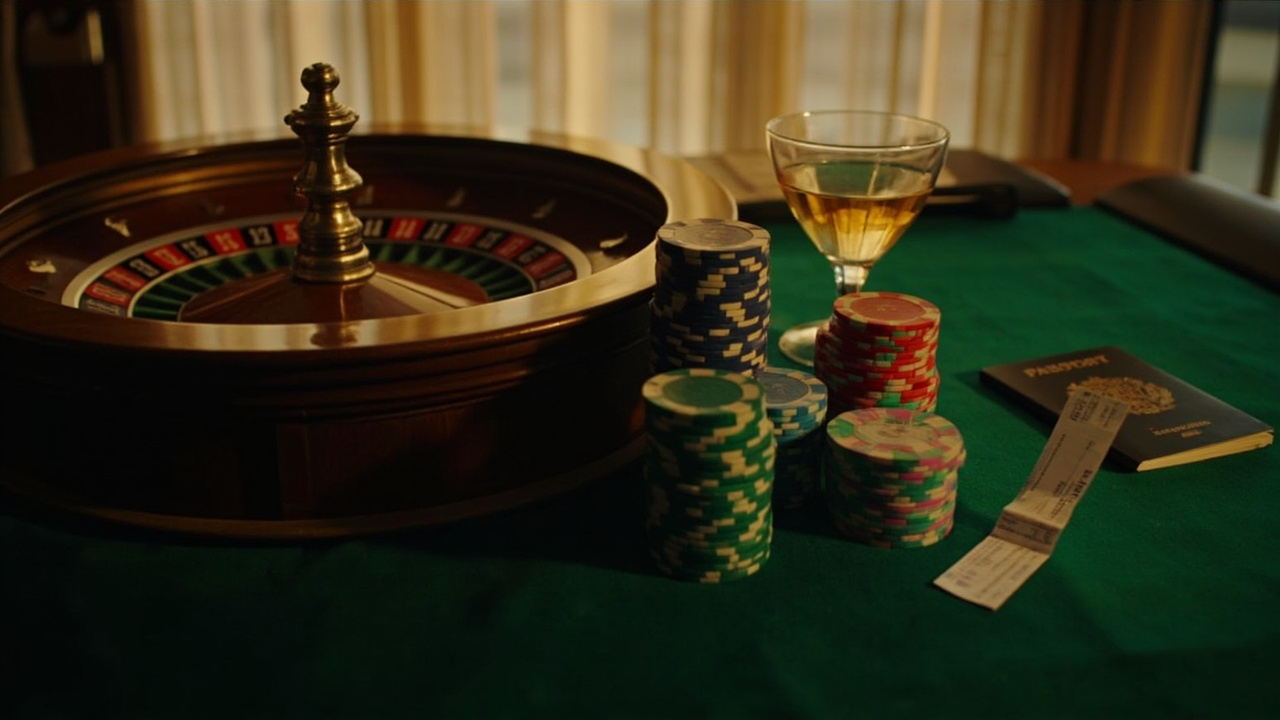
A wheel of fortune game is a different proposition because it sells the moment before the result as much as the result itself, which is why it still pulls a crowd when the room gets quiet. The appeal is the visible turn, the little pause, and the way a single segment can change the mood of a table in one motion. That theatrical bit is the strength, and it works especially well when the room wants something that feels like an event rather than another quick tap on a screen. The limits are just as real, though, because the slower cadence can drag if the same segment keeps landing and the bonus frequency doesn’t match the room’s energy. I’ve run sessions where that style carried a lounge through a flat stretch because people liked the ceremony, but I’ve also seen it lose steam when the prize tiers felt too distant from the stake on the table. The smart setup keeps the wheel segments readable, the prize ladder honest, and the pacing tight enough that a loss still feels like part of the ride rather than a slog. For players who enjoy a bit of spectacle and don’t mind waiting a few extra seconds for the pointer to settle, the wheel format has a genuine place, especially when the room wants a shared moment instead of a solitary one.
That suspended heartbeat is what keeps players leaning forward, chasing the same quiet rush without needing to risk much. You can explore how giocare alla ruota della fortuna senza deposito captures that exact tension by reading the full breakdown at no deposit luck. When the pointer finally settles, the real prize has already been the shared breath held across the room.play at levelup
How They Fit Different Rooms and Players
From a floor-management point of view, instant win games vs wheel of fortune game answer different needs, and the choice usually comes down to how you want the room to behave during a busy session. The instant side suits a high-turnover corner where people want quick cycles, clear stakes, and a result they can act on straight away, which is useful when the crowd is moving and nobody wants to sit through a long animation. The wheel side suits a lounge setup or a central screen where people gather, watch, and chat while the pointer moves, which works when you want a bit of shared energy rather than a row of private sessions. I’ve made that call on pre-openings more than once, and the rule of thumb is simple: if the room needs throughput and fast seat turnover, lean toward the instant style; if the room needs atmosphere and a reason for people to linger, the wheel earns its spot. Neither format removes the edge, and neither promises a fair go in the sense of equal outcomes, because the maths still set the tone no matter how polished the presentation looks. The best rooms treat both as tools, not personalities, and match them to the crowd they actually have on the floor rather than the crowd they wish they had.
Glossary
- Instant win game: a title that resolves a result immediately after a stake, with the outcome shown without a long animated sequence.
- Wheel of fortune game: a format built around a visible turn or spin, where the result lands after a short pause and the presentation is part of the appeal.
- Payout: the amount returned on a winning result, set by the game’s paytable and the stake placed.
- Edge: the built-in mathematical advantage that shapes long-term return, regardless of how the game looks or feels.
If you’re weighing up which style suits your next session, the honest read is that instant win games suit quick cycles and clear stakes, while a wheel of fortune game suits a room that wants a bit of ceremony and a shared moment. Both can fit a well-run floor, but they work best when the stakes, pacing, and prize ladder match the crowd you actually have, not the one you’re imagining. For players who want to try a room that keeps the presentation clean and the options readable, you can play at levelup and see how each style feels in practice. If you’re curious about trying the wheel style with a smaller upfront commitment, this piece on how to play the wheel without a deposit walks through that setup in plain terms.