Live dealer poker online has carved out a lane that feels closer to a real card room than a standard software lobby, and for Australian players who value pace, transparency, and a proper table rhythm over rapid-fire digital shuffles, that distinction matters. The usual online poker setup is built around speed and volume, but a live stream with a real croupier, a physical shoe, and visible cards runs on entirely different priorities. If you are weighing whether that style suits your habits, the right question is not which option is universally better, but which one matches how you actually like to play. I have spent enough years around card rooms and streaming tables to know that the difference usually comes down to patience, table etiquette, and how much weight you put on seeing every shuffle in plain view.
How the Format Differs from Standard Online Poker
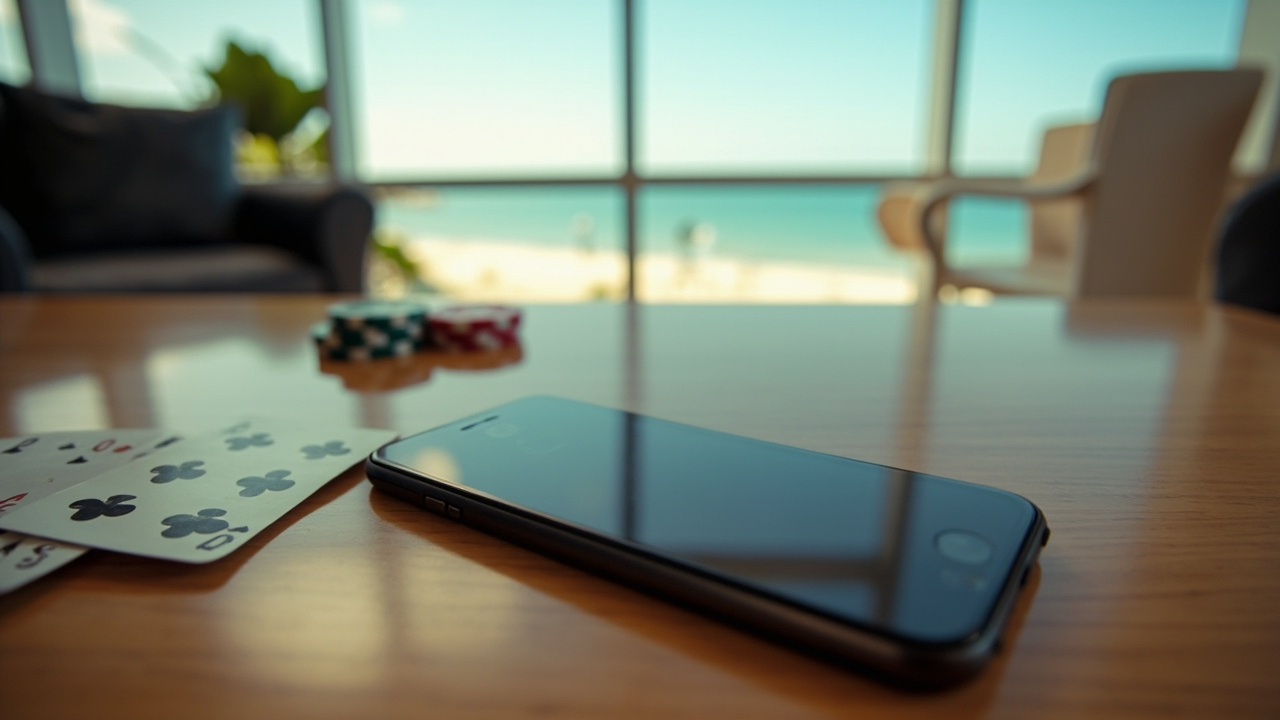
The biggest shift is the pace and the information you get on the table. In a typical online poker client, the action is fast, the dealing is automated, and the visual layer is mostly decorative. A live dealer setup keeps the human element front and centre: a trained croupier handles the cards, the shoe, and the timing, while the stream shows the table in real time. That matters because the rhythm changes how you make decisions. You are not tapping through hands at full tilt; you are reading a slower, more deliberate flow that rewards patience and position awareness rather than pure button speed.
The mechanics around the shoe also matter more here than in a purely digital environment. Penetration is how far into the shoe the dealer goes before shuffling, and in a live stream that detail is visible rather than hidden behind an algorithm. When I compare that to the usual online experience, I would rather have a table where the shuffle point is plain to see than one where the randomness is entirely abstracted away. It is not a moral claim about fairness; it is a practical preference about what you can actually observe while you play.
The betting structure is another place where the two formats diverge. Live tables tend to run tighter on time between hands, and the action is shaped by the dealer’s cadence an example rather than by a software timer. That can suit players who like to think through a hand without feeling rushed, but it can also frustrate anyone who prefers a faster churn. If you are used to multi-tabling digital sessions, the live format will feel narrower and more deliberate. If you are coming from a bricks-and-mortar card room background, it often feels like the closest thing to that experience without leaving your lounge room.
What to Look for Before You Sit Down
Table selection and game variety
The first thing worth checking is what is actually on the schedule, because live dealer poker online is not a single product but a family of tables with different vibes. Some rooms run a small set of steady tables with familiar limits, while others rotate special formats, seasonal tables, or tournament-style sessions. The practical question is whether the table mix matches the way you play. If you prefer a calm table with predictable limits, a rotating showcase that changes every afternoon may not be your thing. If you like variety and do not mind checking back later in the arvo, a broader rotation can keep the session interesting without forcing you into unfamiliar stakes.
Bonus mechanics and ongoing value
The welcome offer is the obvious starting point, but the real test is what happens after that first deposit. A decent live dealer poker online room should have recurring promos, cashback on bad runs, and a loyalty or VIP tier that keeps giving you reasons to return rather than treating you as a one-off deposit. I have seen too many rooms that look generous on day one and then go quiet once the bonus is cleared. If the loyalty structure only rewards raw turnover without any regard for table choice or session length, it tends to feel hollow fast. A better setup recognises that repeat play is built on small, consistent reasons to come back: a weekly cashback slice, tournament entries that do not require a massive buy-in, and a rewards tier that actually moves as you play.
Payments, registration, and support
The practical side matters more than the glossy marketing, especially when you are dealing with Australian dollars and a platform that has to navigate local expectations cleanly. Registration should be straightforward, the currency handling should be clear, and the support team should be reachable when something goes sideways instead of hiding behind a slow ticket queue. I am not interested in a slick sign-up flow if the payment details are vague or if the support response turns into a back-and-forth that drags on for days. A room that treats payments and account questions as an afterthought is telling you something about how it handles the less glamorous parts of the business.
Who This Format Suits Best
Live dealer poker online is not a universal fit, and pretending otherwise would be pointless. It tends to suit players who value seeing the table in real time, who do not mind a slower cadence, and who are comfortable treating the session as a social, observational experience rather than a high-volume grind. If your ideal session is a few careful hands with a clear view of the shoe and the dealer’s rhythm, this format can feel right at home. If you are chasing rapid hands, heavy multi-tabling, or a purely digital pace, the live setup may feel restrictive rather than rewarding.

Money management is where this format really separates the casuals from the people who are actually thinking ahead. A Yankee is a multiple bet on four selections with eleven bets, and that kind of structure is a useful reminder that layered wagering can look tidy on paper while still carrying real exposure. The same caution applies here: live tables can feel more measured, but the money still moves, and the session still needs a boundary. I would rather see a player treat a live table like a planned session with a clear stop than someone drifting into it as if the slower pace automatically makes it safer.
The mobile side is worth a mention too, because plenty of Australian players are not sitting at a desk when they play. A stream that holds up on a phone or tablet without constant buffering, and a table layout that remains readable on a smaller screen, makes a genuine difference to whether the format is practical on a commute or during a quiet evening at home. If the mobile experience is clunky, the live format loses a lot of its appeal, no matter how polished the desktop version looks. For a Perth player checking in after work, or someone playing from a coastal property on a slow weekend, that mobile stability can be the difference between a session that feels natural and one that feels like a fight with the connection.
If you want a clearer sense of where a room’s current offers actually sit, it helps to check the details on a dedicated page rather than relying on the homepage blur, and you can start that by opening https://spinsamuraibonus.net and reading the fine print before you deposit. Ongoing value is where this format either earns its place or fades out, and the best indicator is not the first bonus but the repeat-play reasons that remain once the welcome offer is history.
Expert View and Final Word
The people who study this space professionally tend to be cautious about overstating the appeal, and that caution is useful. Lily Fraser, Managing Partner, Eucalypt Digital Advisory, has pointed out that live dealer formats work best when they are treated as a distinct product rather than a dressed-up version of standard online poker, because the player expectations are different from the start. Callum Bennett, Chief Financial Officer, Brighton Beach Betting Lab, has similarly noted that the economics of running live tables mean the room has to balance table quality and session length carefully, which is why a room that looks impressive on launch can still struggle to keep the experience consistent. Abigail Hall, Responsible Gambling Adviser, Southern Cross Gaming Advisory, has reminded players that the slower, more social feel of a live table does not remove the need for clear limits, and that a calmer presentation can sometimes make it easier to play longer than intended.
What all of that adds up to is a format that rewards a particular kind of player and a particular kind of session. Live dealer poker online is strongest when you want a visible, slower, more observational table experience and you are willing to treat it that way on purpose. It is less convincing when you are looking for speed, volume, or a purely digital rhythm. If the table mix, the ongoing promos, the payment clarity, and the mobile stability all line up with how you actually play, it can be a genuinely comfortable way to spend a session. If they do not, no amount of polish will make it feel right.